
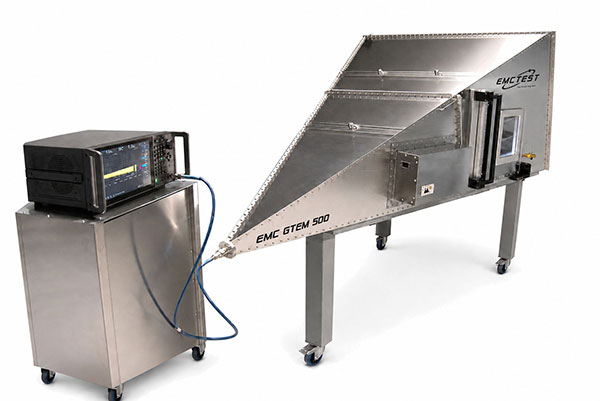
In high-density electronic systems or equipment operating in severe environments, interconnection cables can inadvertently act as coupling paths or unwanted radiating antennas. If shielding is not continuous and adequate, external electromagnetic disturbances can degrade signal quality or corrupt data streams; simultaneously, emissions generated by high-speed signals can escape from the cable assembly and compromise the functionality of nearby radio systems or equipment.
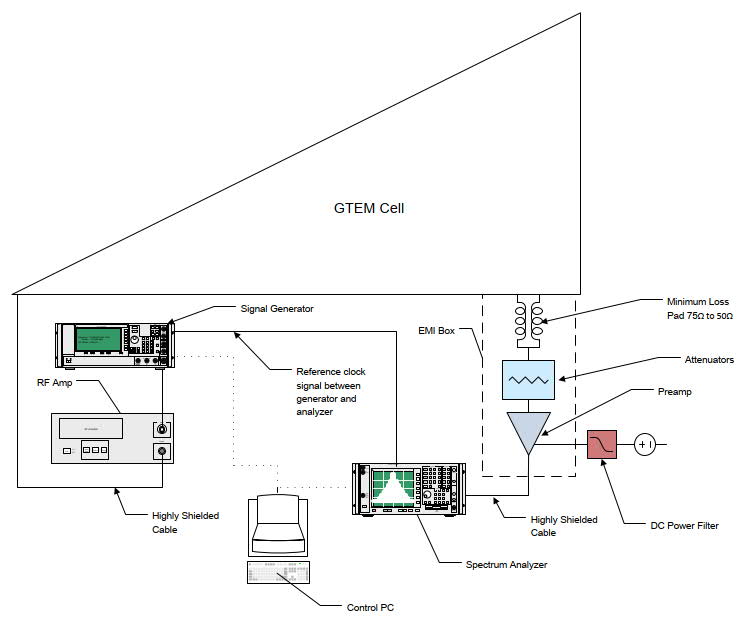
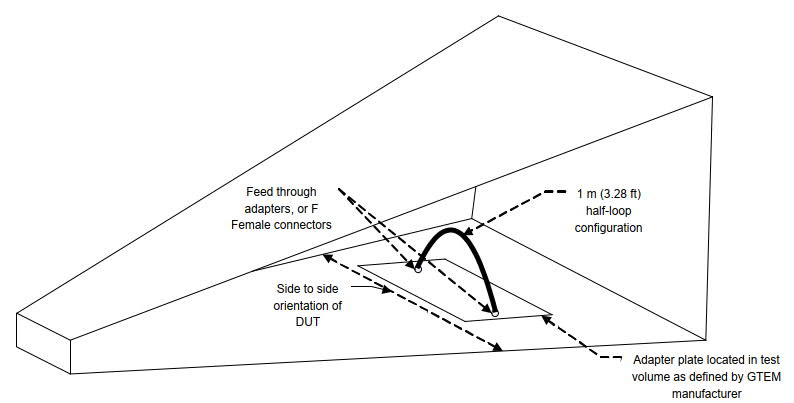
Regulatory framework and frequency range: Testing on cables and connectors is conducted in accordance with the guidelines of the SCTE 48-3 (SCTE 43-8) standard in a GTEM cell, covering the frequency band from 30 MHz to 6 GHz. EMCTEST Technologies' comprehensive laboratory measurement capabilities extend up to 110 GHz for shielding effectiveness testing on planar materials, technical textiles, and shielded enclosures in an anechoic chamber (under dedicated standards such as IEEE 299 and MIL-STD-285).
The importance of qualifying the complete cable and connector assembly
A common mistake in electromagnetic engineering is relying solely on the nominal specifications of the cable's shielding braid. In operational reality, the most critical points for EMC performance are concentrated at mechanical junctions: the bond between the braid and the connector backshell, the tightening of free cable-mount terminations, the effectiveness of conductive gaskets, and electrical bonding at the mounting panel.
For this reason, our laboratory qualifies the cable harness as a single, functional assembly, verifying the combined performance of conductors, shielding braids, cable-mount terminations, and panel-mount connectors.
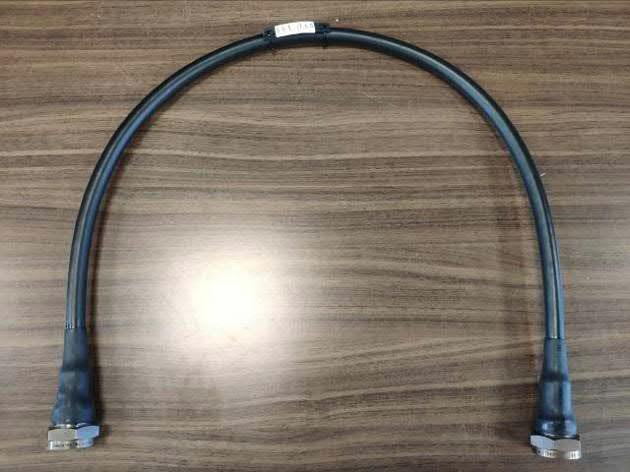
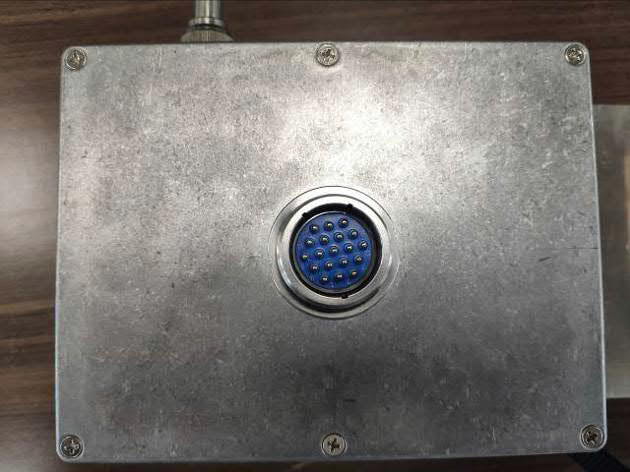
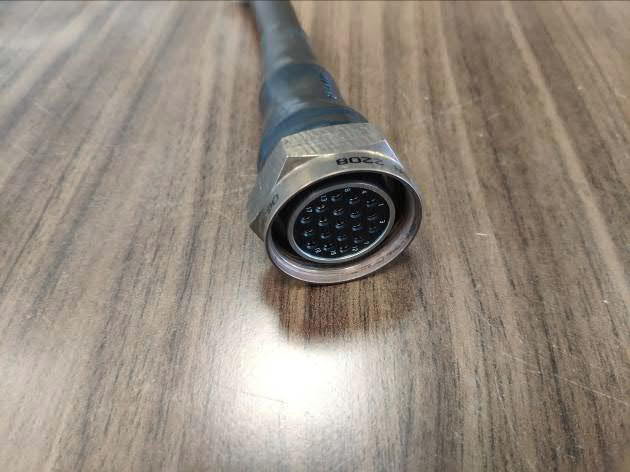
Advantages of the GTEM cell for RF qualification
The test leverages the unique properties of the GTEM (Gigahertz Transverse Electromagnetic Cell). This structure generates stable, well-defined transverse electromagnetic (TEM) waves, ensuring that the entire test sample is immersed in a uniform electromagnetic field. Compared to unshielded or reverberant environments, the GTEM cell eliminates parasitic reflections and uncontrolled cavity resonances, ensuring maximum metrological repeatability.
Types of testable products and components
Our testing service meets the requirements of cable manufacturers, harness assemblers, connector producers, and R&D departments operating in high-reliability sectors:
| Product category | Application examples | Key performance aspects evaluated |
|---|---|---|
| Coaxial cables and RF lines | Radio transmission lines, low-loss coaxial cables, high-speed data lines | Braid uniformity (single/double braid) and shielding retention at microwave frequencies up to 6 GHz |
| Industrial and military multi-conductor harnesses | Control bus lines, on-board vehicle harnesses, avionic and naval cabling | Overall outer braid performance and global noise rejection on internal conductors |
| Connectors and mechanical joints | Circular panel-mount connectors, free cable-mount connectors, conductive backshells | Shield ground continuity, 360° circumferential contact, EMC conductive gasket sealing |
| Shielding braids, sleeves, and conductive tapes | Conductive heat-shrink tubing, metallic shielding tapes, flexible copper/nickel braids | Comparative evaluation between different materials and frequency attenuation stability |
Comparative test methodology
The determination of Shielding Effectiveness (SE) is performed using a fixed-geometry comparative procedure:
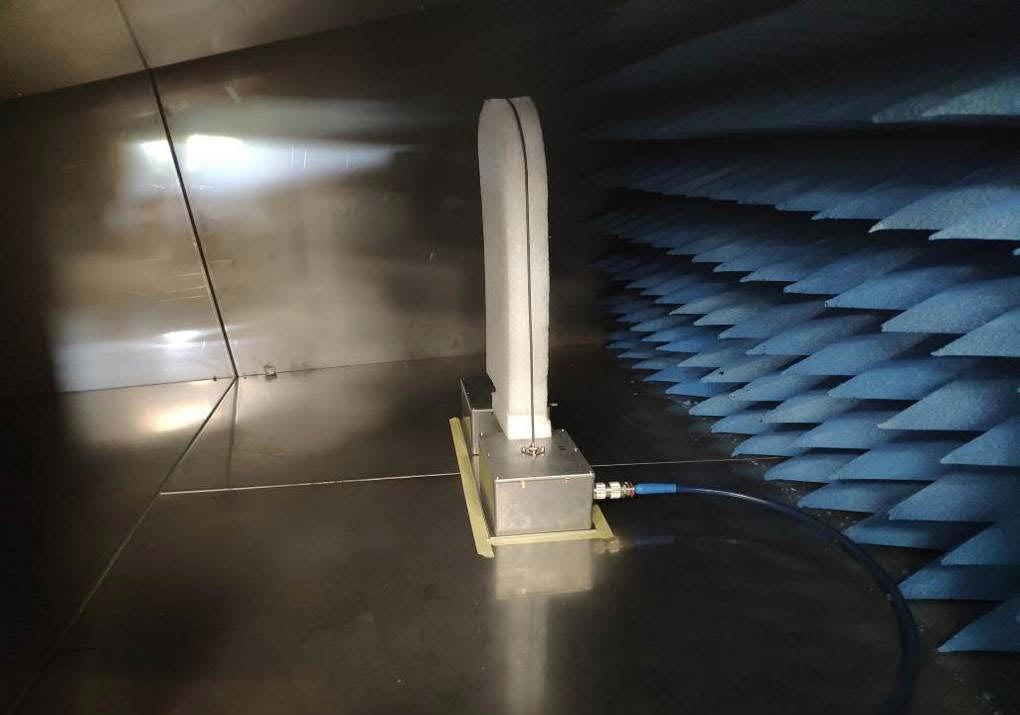
- Reference level acquisition: The coupled RF power is measured using an unshielded reference conductor installed in the exact same geometric position within the GTEM cell, establishing the system baseline.
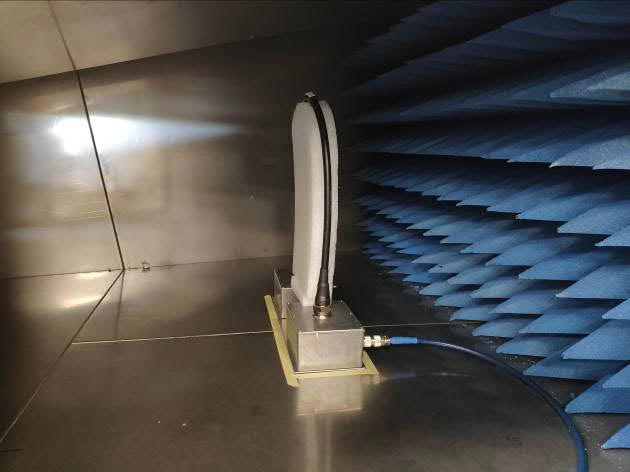
- Measurement with the shielded assembly: The cable assembly under test, complete with shield and connectors, is installed and the residual coupled signal is measured under identical frequencies and conditions.
- Shielding effectiveness calculation: Attenuation is calculated in decibels as the direct difference between the reference power level and the power measured with the shielded sample.
Interpreting test results and final reporting
To reliably characterize high-performance shielding, our measurement chain ensures a verified dynamic range (DR) of at least 130 dB. This dynamic margin ensures that instrument floor noise never masks actual sample attenuation, even at higher microwave frequencies.
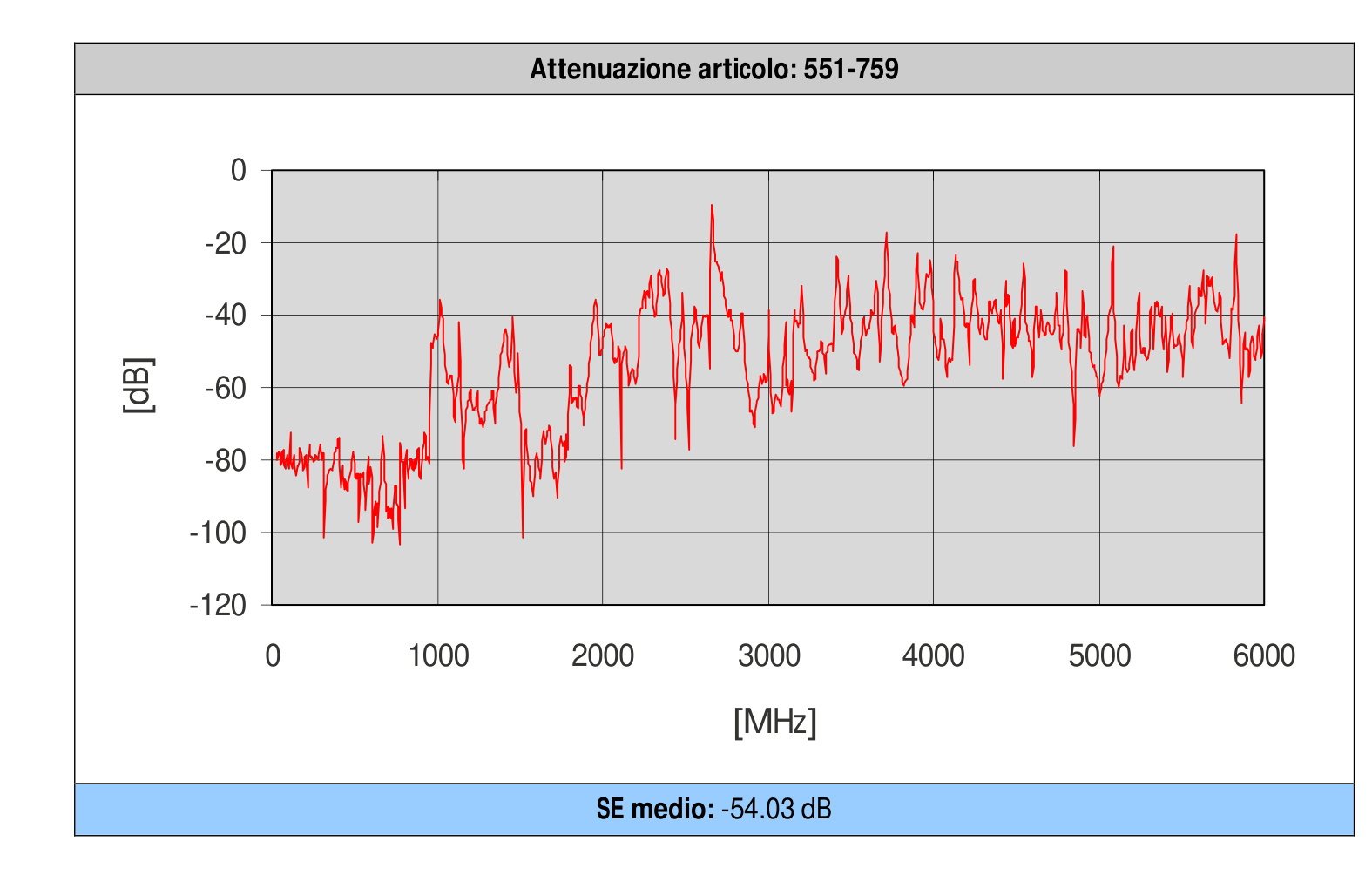
Spectral curve analysis allows engineers to evaluate two crucial criteria:
- Average Shielding Effectiveness (Average SE): Represents the global attenuation rating of the system across the entire test spectrum (e.g., >50 dB average), enabling direct benchmarking between different designs, vendors, or procurement specifications.
- Frequency-specific behavior: High-resolution scanning across more than a thousand points quickly reveals localized resonances, aperture leakages, or degradation dips that a single average value could easily conceal.
The formal test report delivered to the customer includes:
- detailed frequency vs. shielding effectiveness plots;
- average and extreme attenuation values computed over the agreed frequency range;
- ambient temperature and relative humidity conditions logged during testing;
- complete photographic setup documentation and RF instrumentation parameters.
Why choose EMCTEST Technologies
EMCTEST Technologies provides specialized metrological expertise in electromagnetic compatibility and RF shielding qualification. The combined availability of GTEM cells for cable and connector assemblies and full anechoic chambers for testing structures up to 110 GHz enables us to support manufacturers in formal compliance qualification, R&D prototyping, and optimization of shielding components.
Request a technical assessment for your cable assemblies
Do you need to qualify the shielding efficiency of a cable, braid, or connector assembly? Submit your technical specifications: our laboratory engineering team will define the optimal test plan tailored to your operational requirements.